_edited_edited.png)

Eco-Friendly Tire Recycling: Sustainable Solutions for Industrial Waste Management
Managing large industrial tires presents a significant challenge for many businesses. These tires, once worn out, become bulky waste that can harm the environment if not handled properly. Fortunately, eco-friendly tire recycling offers practical and sustainable solutions that transform this waste into valuable resources. In this article, I will explore effective methods for recycling industrial tires, focusing on environmentally responsible practices that benefit both businesses and the planet.
Understanding Eco-Friendly Tire Recycling
Eco-friendly tire recycling involves processes that minimize environmental impact while maximizing the reuse of tire materials. Unlike traditional disposal methods such as landfilling or incineration, sustainable recycling techniques reduce pollution, conserve natural resources, and lower greenhouse gas emissions.
The primary goal is to convert used tires into useful products such as rubber mulch, crumb rubber, and other materials that can be repurposed in landscaping, playgrounds, and construction. These products not only reduce waste but also provide cost-effective alternatives to virgin materials.
Key Benefits of Eco-Friendly Tire Recycling
Reduces landfill waste: Tires take up significant space and degrade slowly in landfills.
Prevents pollution: Proper recycling avoids toxic chemical leaching and air pollution.
Conserves resources: Recycled rubber reduces the need for new raw materials.
Supports circular economy: Tires are transformed into products that re-enter the market.
By adopting eco-friendly tire recycling, businesses can contribute to a healthier environment while managing their waste responsibly.

Effective Methods for Eco-Friendly Tire Recycling
Several methods exist to recycle industrial tires sustainably. Each method has specific applications and benefits depending on the type of tire and intended reuse.
1. Mechanical Grinding and Shredding
This process involves breaking down tires into smaller pieces using mechanical equipment. The shredded rubber can be further processed into crumb rubber, which is used in various applications such as:
Rubberized asphalt for road construction
Athletic tracks and playground surfaces
Landscaping mulch that controls erosion and retains moisture
Mechanical recycling is energy-efficient and produces materials that are easy to handle and transport.
2. Devulcanization
Devulcanization is a chemical or thermal process that reverses the vulcanization of rubber, restoring its original properties. This allows the recycled rubber to be reused in manufacturing new tires or rubber products. Although more complex, devulcanization offers a higher value reuse of tire materials.
3. Pyrolysis
Pyrolysis involves heating tires in an oxygen-free environment to break them down into oil, gas, steel, and carbon black. These byproducts can be used as fuels or raw materials in other industries. While pyrolysis reduces tire volume significantly, it requires careful management to avoid emissions.
4. Civil Engineering Applications
Whole or shredded tires can be used in civil engineering projects such as:
Road embankments and sub-base layers
Drainage systems
Retaining walls and erosion control
Using tires in this way diverts waste from landfills and provides durable, cost-effective construction materials.
Practical Applications of Recycled Tire Products
Recycled tire materials have diverse applications that benefit industrial businesses, landscapers, and playground developers. Understanding these uses can help businesses make informed decisions about tire waste management.
Rubber Mulch for Landscaping and Playgrounds
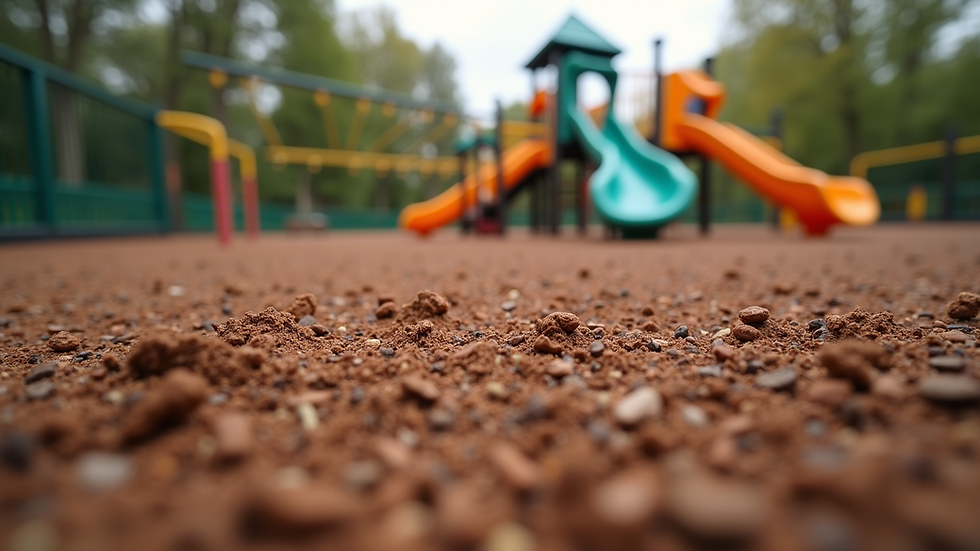
Rubber mulch made from shredded tires is a popular eco-friendly alternative to wood mulch. It offers several advantages:
Long-lasting and does not decompose quickly
Provides excellent cushioning for playground safety
Helps retain soil moisture and suppress weeds
Resistant to pests and fungi
Using rubber mulch supports sustainable landscaping practices and enhances safety in playgrounds.
Rubberized Asphalt for Infrastructure
Incorporating crumb rubber into asphalt improves road durability and reduces noise pollution. This application extends the life of roads and lowers maintenance costs, making it an attractive option for industrial areas with heavy vehicle traffic.
Athletic Surfaces and Flooring
Recycled rubber is widely used in sports tracks, gym flooring, and other athletic surfaces. Its shock-absorbing properties reduce injury risk and provide comfortable footing.
Industrial Products
Recycled tire rubber can be molded into various industrial products such as mats, seals, and gaskets. These products benefit from the material’s durability and flexibility.
Collaborating with Sustainable Tire Recycling Providers
Partnering with specialized recycling companies is essential for effective tire waste management. These providers have the expertise and equipment to process large industrial tires responsibly.
One example is the green tire group grandview, which focuses on sustainable solutions for industrial tire recycling. They offer services that include tire collection, processing, and supplying recycled products like rubber mulch. Collaborating with such companies ensures compliance with environmental regulations and supports circular economy initiatives.
What to Look for in a Recycling Partner
Experience with industrial tires: Handling large tires requires specialized equipment.
Environmental certifications: Ensure the provider follows eco-friendly practices.
Product quality: Recycled materials should meet industry standards.
Transparent processes: Clear communication about recycling methods and outcomes.
By choosing the right partner, businesses can streamline their waste management and contribute to sustainability goals.
Implementing Eco-Friendly Tire Recycling in Your Operations
Adopting sustainable tire recycling practices involves several steps that businesses can take to optimize their waste management.
1. Assess Tire Waste Volume and Types
Begin by evaluating the quantity and types of tires your operations generate. This assessment helps determine the most suitable recycling methods and partners.
2. Establish Collection and Storage Protocols
Proper collection and storage prevent tire degradation and contamination. Designate secure areas for tire storage and schedule regular pickups with recycling providers.
3. Educate Staff and Stakeholders
Training employees on the importance of eco-friendly tire recycling encourages compliance and supports company sustainability initiatives.
4. Monitor and Report Progress
Track the volume of tires recycled and the environmental benefits achieved. Reporting this data can enhance corporate responsibility profiles and support regulatory compliance.
5. Explore Recycled Product Uses
Identify opportunities to use recycled tire products within your operations, such as rubber mulch for landscaping or rubberized asphalt for facility roads.
Advancing Sustainability Through Tire Recycling
Eco-friendly tire recycling is a practical approach to managing industrial tire waste responsibly. By converting tires into valuable products, businesses reduce environmental impact and support sustainable development.
The integration of innovative recycling methods and collaboration with experienced providers like the green tire group grandview can help businesses achieve their sustainability goals. Embracing these solutions not only addresses waste challenges but also contributes to a circular economy where materials are continuously reused.
Investing in eco-friendly tire recycling is a strategic decision that benefits the environment, enhances operational efficiency, and promotes long-term business resilience.


Comments